

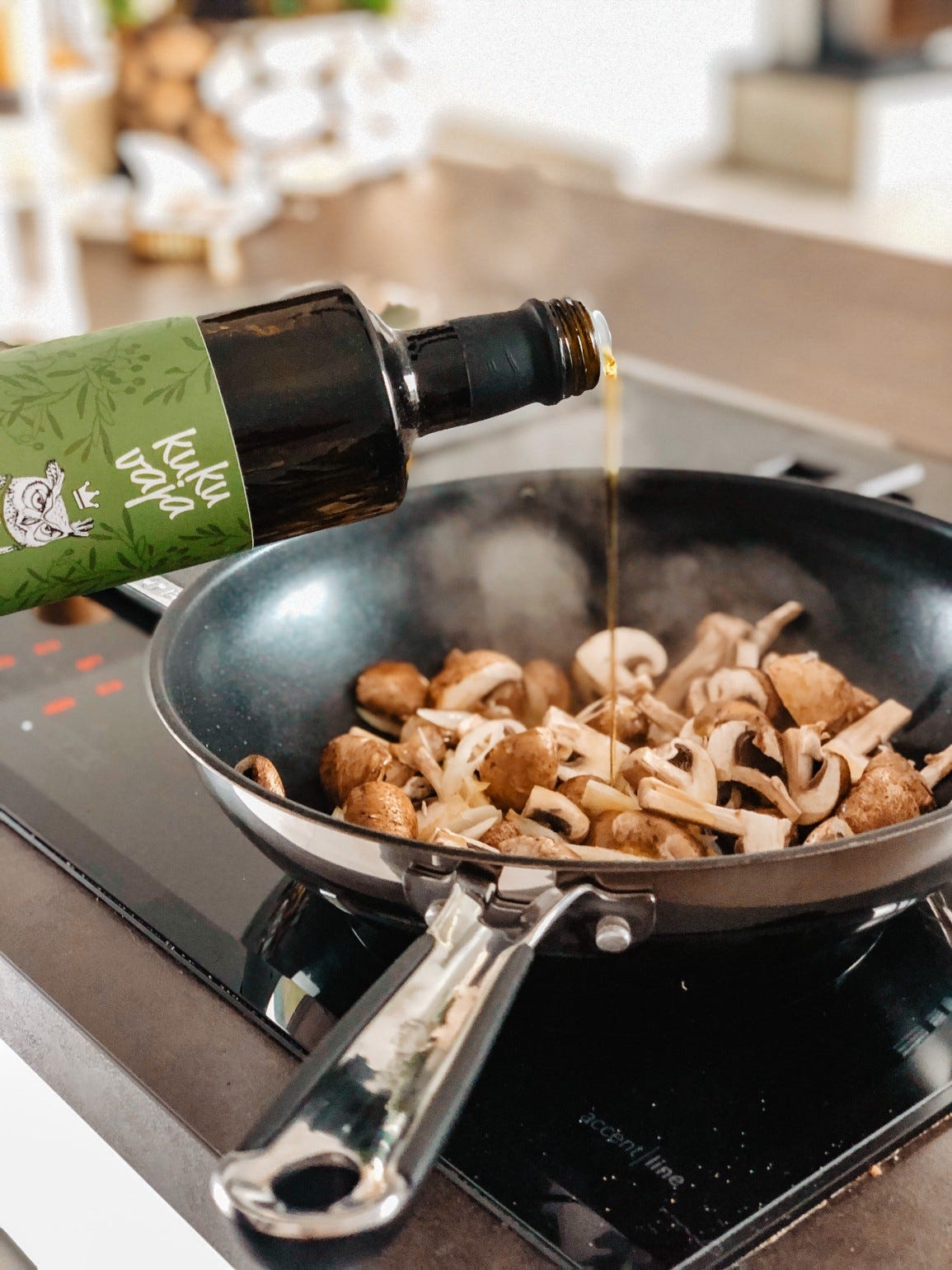
Many of us have used seed oils for cooking. Dr Cate Shanahan lists “the hateful eight” seed oils to avoid in her podcast, mainly because of the high levels of polyunsaturated fatty acids (PUFAs) that these seed oils contain:
The hateful eight industrial seed oils to avoid are Canola, Corn, Cottonseed Soy, Sunflower, Safflower, Grapeseed, and Rice Bran.
I’ve personally used quite a fair bit of canola and sunflower oil myself, having also gone with the notion that these unsaturated fatty acids were supposedly healthier than saturated animal fats.
I’ve also thought that plant-based margarine was supposedly “healthier” than animal-based butter. The whole debate about saturated fats versus unsaturated fats comes out to play, and many of these plant-based oils are high in unsaturated fats.
These plant contain a good dose of omega-6 fatty acids, which means that they do have a characteristic carbon-carbon double bond (C=C) between the 6th and 7th carbon atoms from the terminal (hence “omega”) carboxylic acid functional group in their chemical structure.
The number “6” indicates where the specific C=C double bond will be, though there will exist multiple other C=C double bonds along its entire chain of carbon atoms.
However, we do have to be aware that these C=C double bonds are the ones that make the fat “unsaturated”, which is why we don’t really want to use high heat to cook with them:
